Jakarta, October 29, 2026 – The decline in Transfers to Regions (TKD) is further narrowing the fiscal space available to local governments for delivering public services and ensuring sustainable development. A high level of reliance on central government transfers coupled with limited Locally-Generated Revenue (PAD) threatens the implementation of priority programs, including environmental protection and sustainable development initiatives.
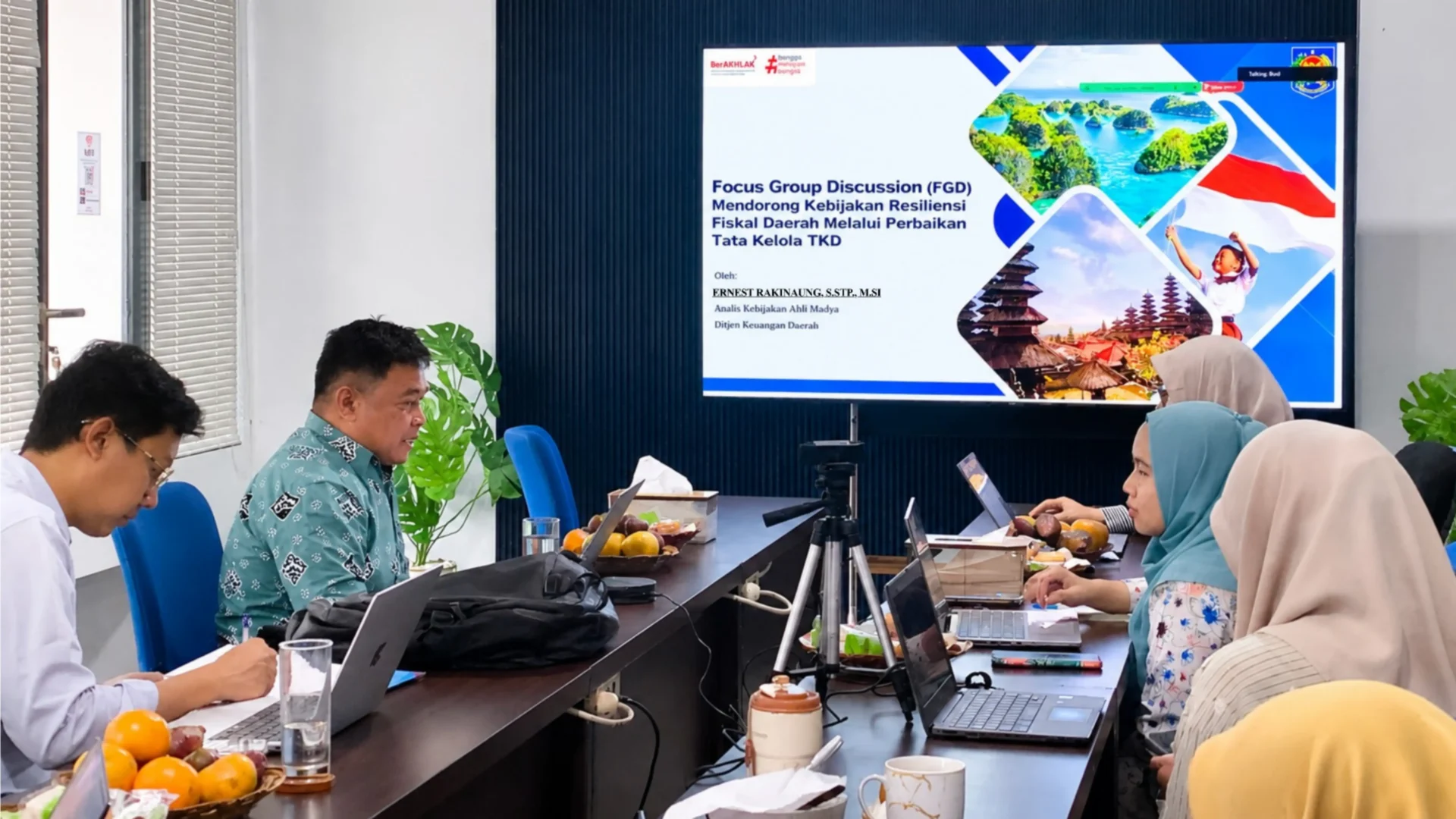
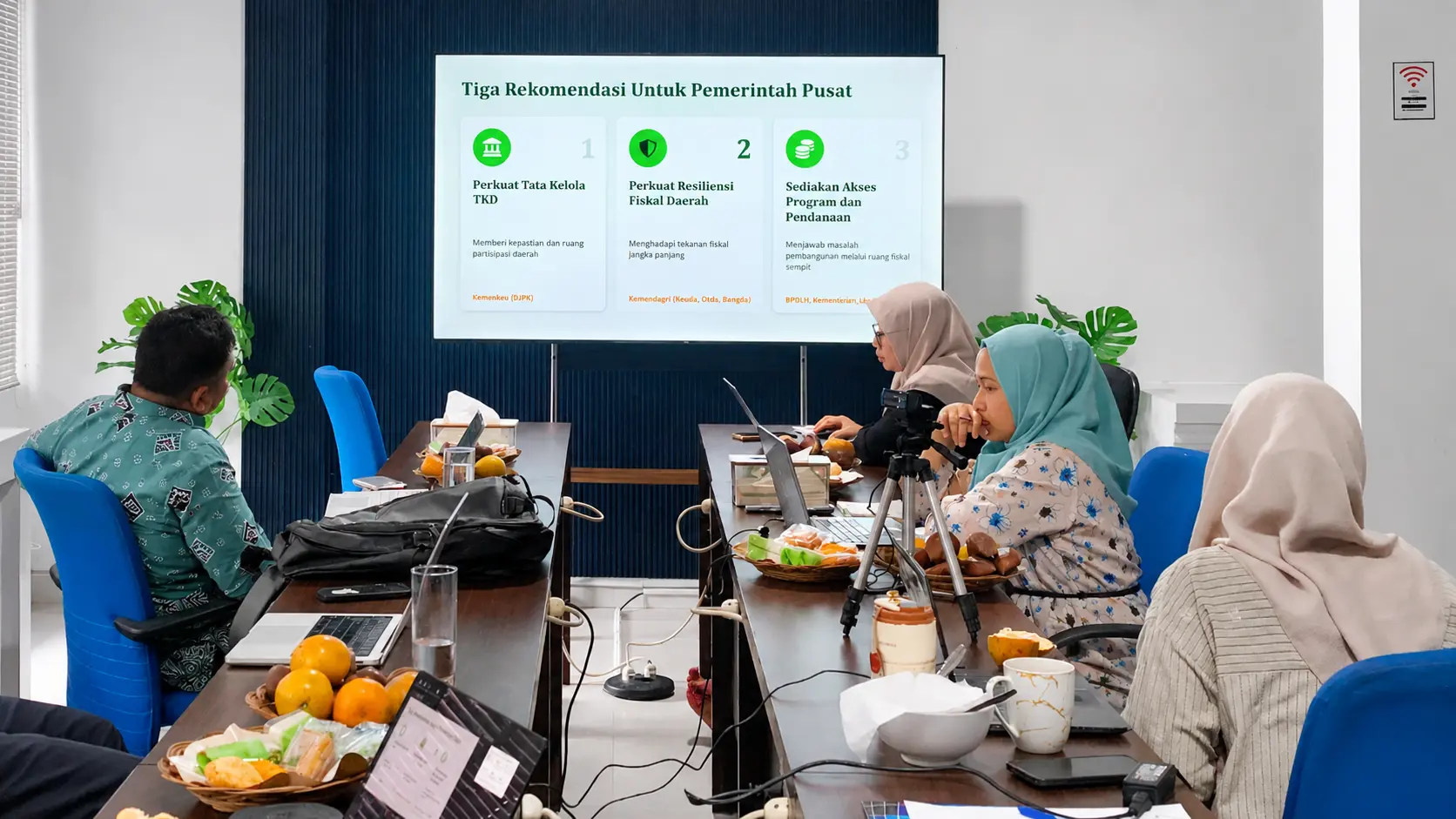
In response to this situation, PATTIRO held a Focus Group Discussion (FGD) titled “Promoting Local Fiscal Resilience Policies Through Improved Governance of Transfers to Regions (TKD)” on Thursday, October 29, 2026, in collaboration with the Sustainable Districts Association (Lingkar Temu Kabupaten Lestari/LTKL) and representatives from the Ministry of Home Affairs. The forum examined the impact of the decline in TKD on eight member districts of the LTKL and formulated recommendations to strengthen local fiscal resilience.
In her opening remarks, Fitria, Executive Director of PATTIRO, highlighted that the reduction in TKD not only limits the ability of local governments to meet their expenditure needs but also hinders the execution of sustainable development programs.
“A more transparent coordination mechanism is required to ensure that all regions including those with limited budgets and technical capacity have equal opportunities to access central government programs and funding,” said Fitria.
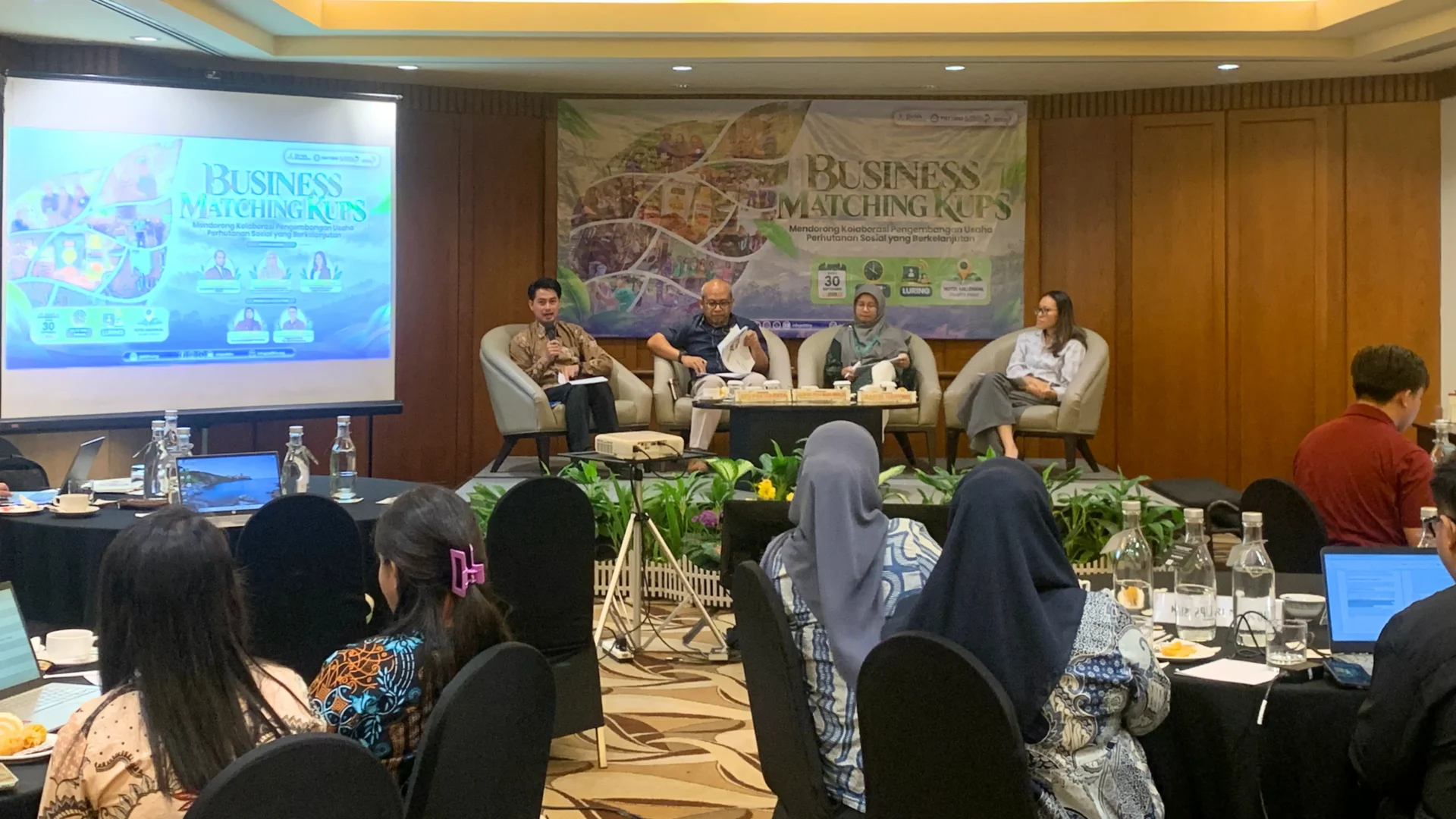
Echoing this sentiment, Ega Okta from the LTKL Secretariat emphasized the importance of policy support and funding to sustain the commitments of the nine LTKL member districts toward forest conservation and sustainable development.
“Fiscal constraints must be addressed by developing alternative financing models and strengthening multi-stakeholder collaboration, ensuring that the agenda for sustainable development and environmental protection can continue effectively,” said Ega.
Reliance on Transfers to Regions (TKD) and Its Impact on Development
Presenting the findings of a study, Sad Dian Utomo, Senior Advisor at PATTIRO, revealed that most regions depend on TKD for more than 80% in some cases, nearly 90% of their revenue. This situation is exacerbated by limited locally-generated revenue (PAD), high personnel expenditures, and low allocations for capital expenditure. Consequently, several sustainable development programs such as environmental monitoring, waste management, and food security have faced budget cuts.
Sad explained that strengthening fiscal resilience requires developing three types of capacity: absorptive, adaptive, and transformative. Currently, however, local government responses remain dominated by budget cuts and reallocations, while the digitalization of revenue collection and the development of alternative funding sources remain suboptimal.
“Strengthening local fiscal resilience cannot be achieved solely through budget cuts and reallocations; it also requires adaptation and transformation in the management of local public finances,” said Sad.
Based on these findings, PATTIRO proposes three key strategies: enhancing transparency and governance in the allocation of intergovernmental fiscal transfers (TKD); increasing locally-generated revenue (PAD) and improving expenditure effectiveness through spending reviews; and expanding local access to central government programs and funding. These efforts also encompass the development of alternative financing sources and exploring support from the Environmental Fund Management Agency (BPDLH) to ensure the sustainability of local development.
Ministry of Home Affairs Urges Efficiency and Improved Coordination
Responding to the study’s findings, Ernest from the Ministry of Home Affairs expressed appreciation for the recommendations provided by PATTIRO and LTKL. He noted that the eight regencies covered in the study still fall into the category of having weak fiscal capacity. According to his presentation, intergovernmental fiscal transfers (TKD) are projected to decline by approximately 6 percent in 2025 and 24 percent in 2026. Although a projected increase of about 6.06 percent is expected in 2027, it will not be sufficient to fully offset the preceding declines.
“Efficiency should not be pursued merely by cutting priority programs. Local governments can still review operational and supporting expenditures such as the procurement of office supplies, official travel, meetings, report preparation, and other non-urgent acquisitions.” said Ernest.
As a follow-up, PATTIRO and LTKL will strengthen data regarding Regional Transfer Funds (TKD) and Revenue-Sharing Funds (DBH) across eight regencies, while also facilitating technical discussions with the relevant directorates at the Ministry of Home Affairs. The outcomes of these discussions will serve as a basis for a policy dialogue on November 17, 2026, involving various ministries/agencies and the local governments that are members of LTKL. Through this collaboration, it is hoped that improvements in transfer governance, the strengthening of revenue, and enhanced spending effectiveness will foster a fiscal policy that is more transparent, equitable, and sustainable.