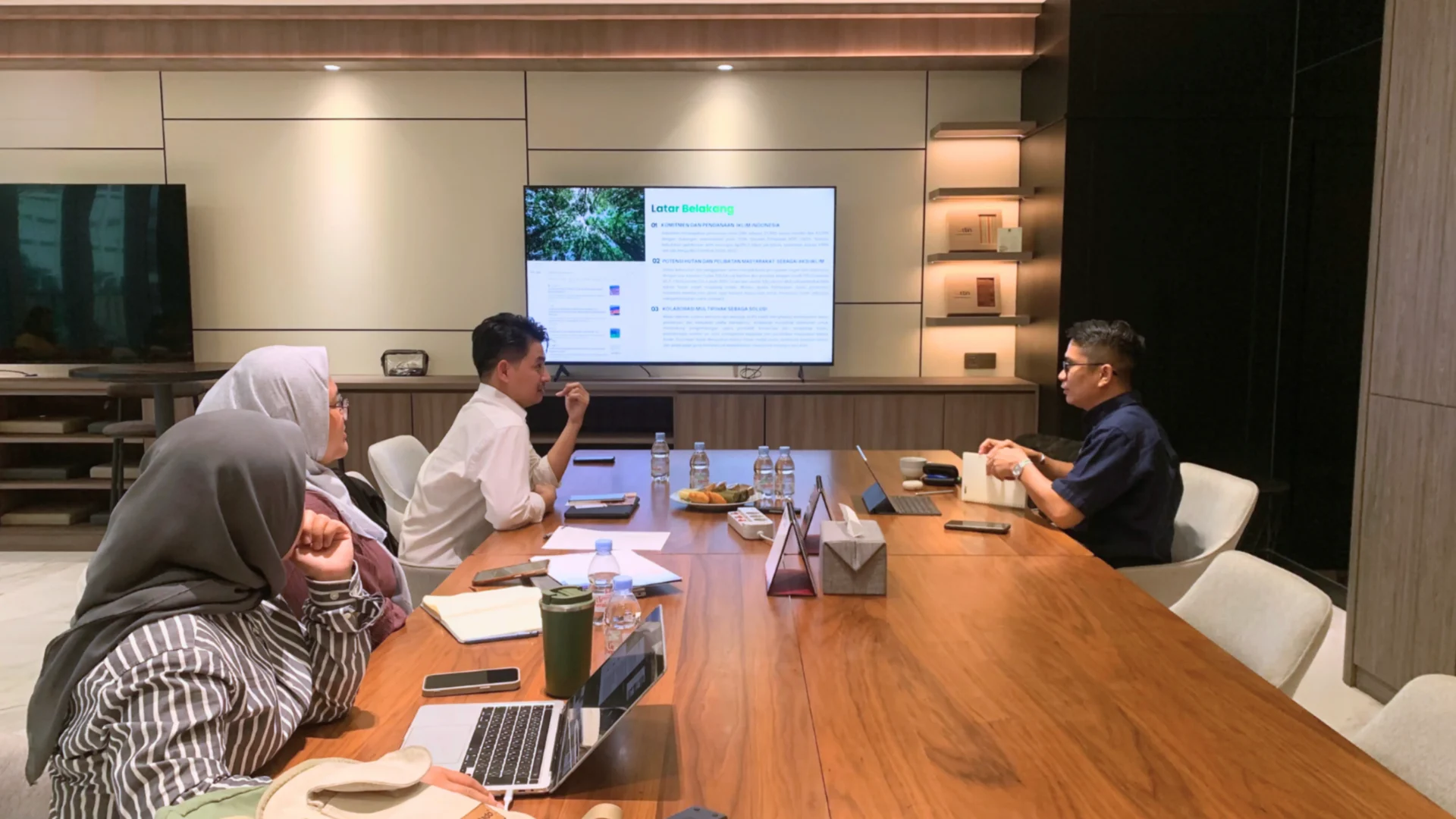
Jakarta, November 3, 2026 – Limited access to funding remains a challenge for communities seeking to develop their economic potential while simultaneously ensuring environmental sustainability. Constraints in institutional capacity and access to information often hinder people from securing the necessary financial resources; therefore, cross-sector collaboration is essential to expand access in an inclusive and equitable manner.
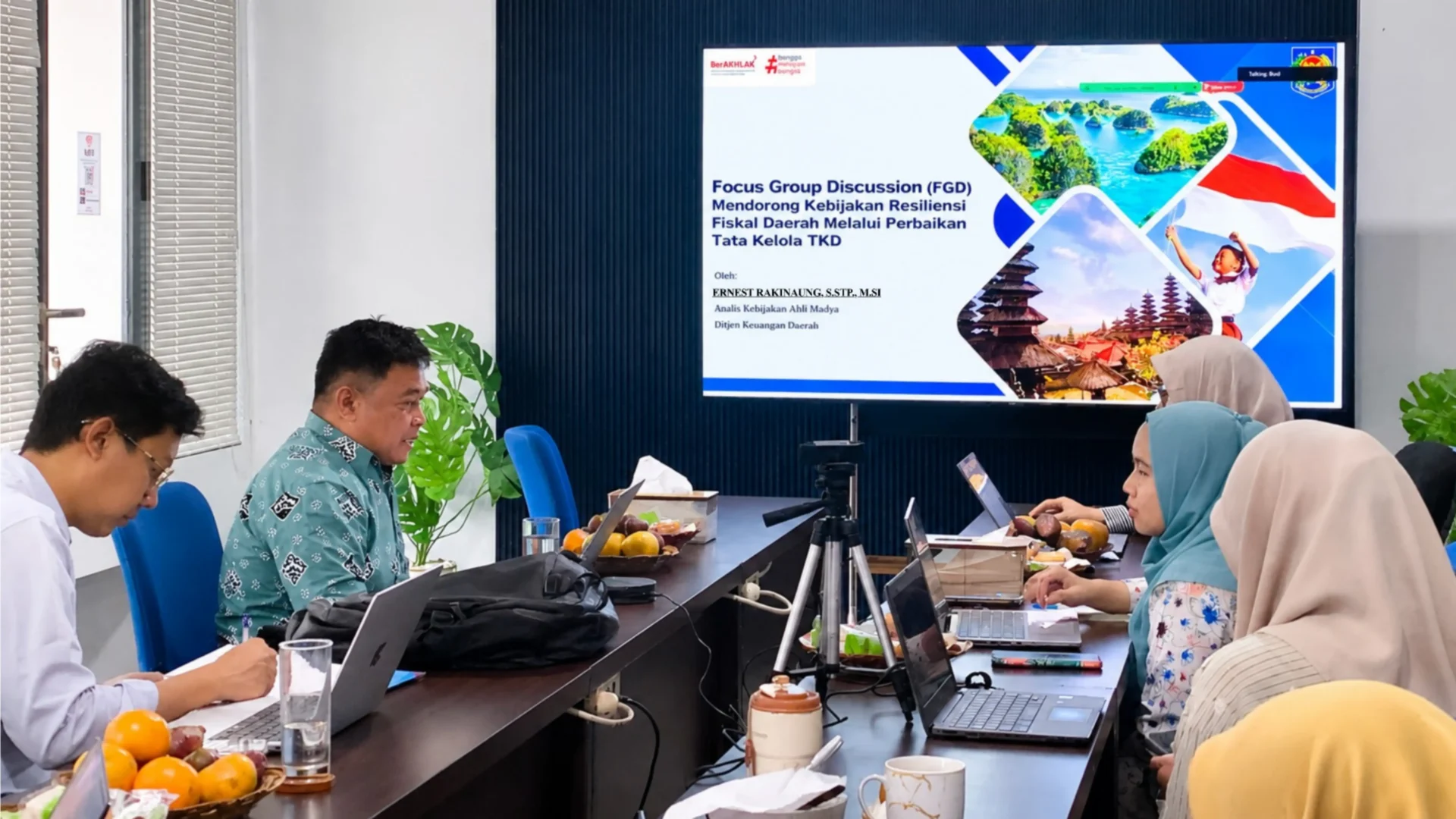
In light of these challenges, PATTIRO held a meeting and discussion with the Kasih Persaudaraan Bangsa Foundation (KARSA) to explore potential collaborations aimed at broadening access to funding and strengthening community empowerment. The meeting served as a forum for exchanging experiences regarding the development of alternative funding sources, capacity building for communities, and opportunities to forge partnerships among civil society organizations, social institutions, donors, and the private sector. During the discussion, Ramlan Nugraha, Program Manager at PATTIRO, explained that the organization has been engaged in climate finance advocacy since 2018.
“Since 2018, we have been working on climate finance advocacy. We have set quite ambitious targets, yet the funding available through the national and regional state budgets (APBN and APBD) remains very limited,” Ramlan stated.
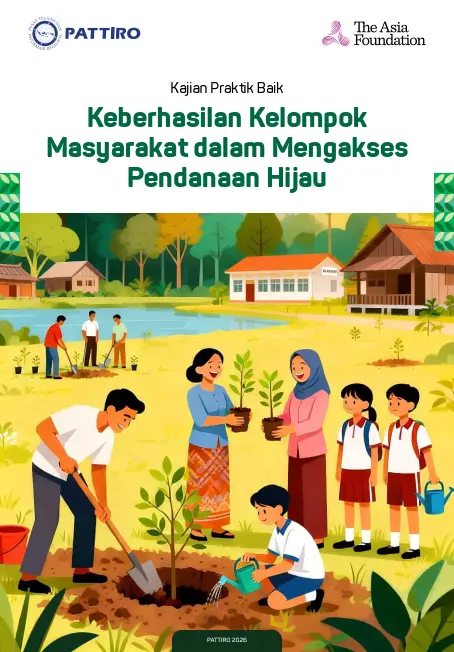
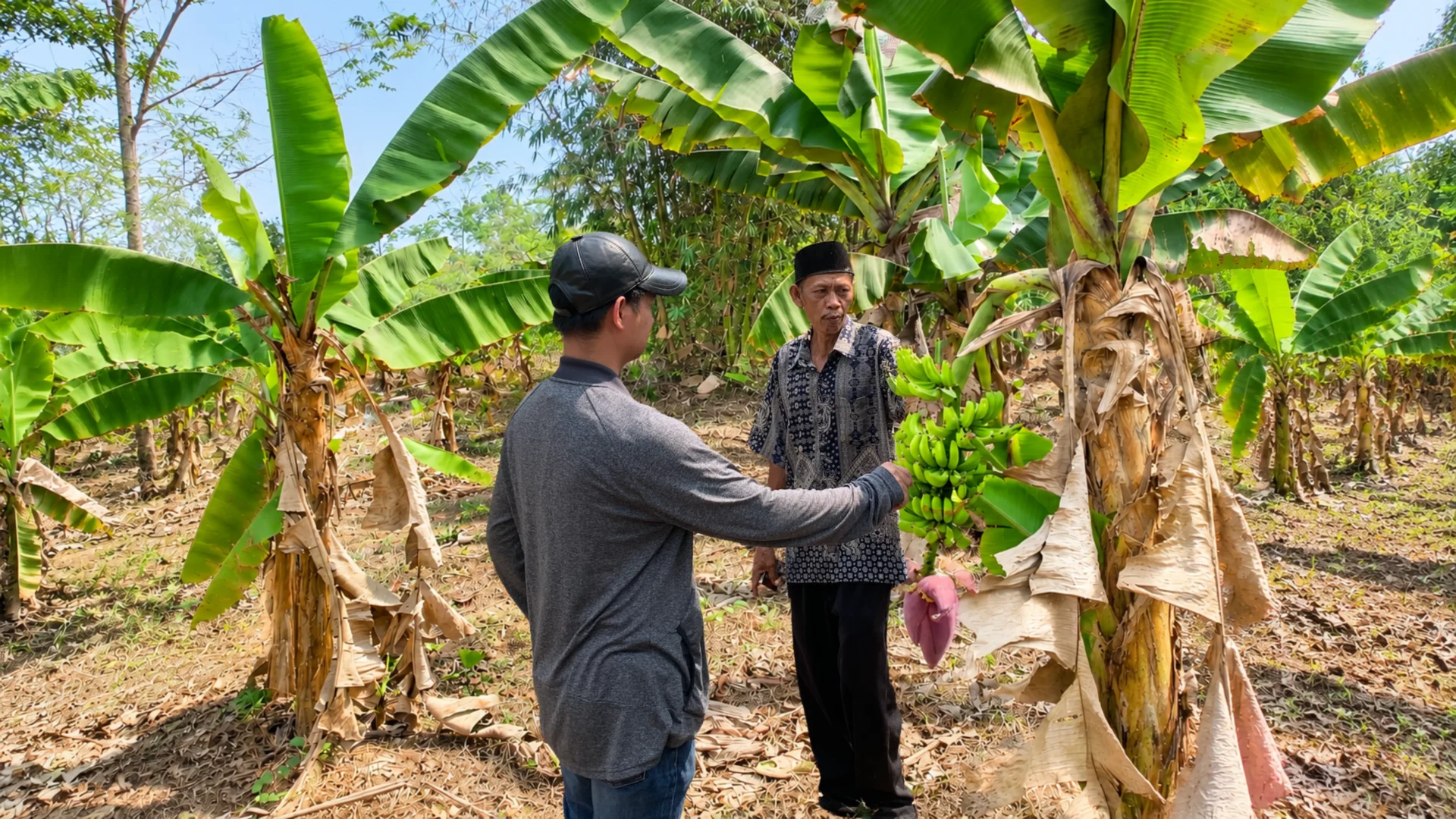
One of the initiatives undertaken by PATTIRO involves supporting Social Forestry Business Groups (KUPS) in East Kalimantan and Central Sulawesi. This support includes institutional strengthening, business development, proposal drafting, and facilitating access to funding all aimed at boosting the local economy while ensuring the sustainability of the forests. These efforts are designed to help community groups optimize their economic potential while maintaining sustainable forest management.
According to Ramlan, the challenges faced by communities do not end once they secure legal access to forest areas. These groups continue to require financial support and capital to develop their businesses and effectively manage the resources at their disposal.
“Once community groups are granted permits, they require post-permit funding and capital. Other challenges faced by social forestry business groups include enhancing production capacity, acquiring processing facilities, gaining market access, and strengthening institutional capacity. These are the obstacles,” he explained.
Consequently, PATTIRO advocates for community support that goes beyond merely facilitating access to financial aid; it should also focus on building the community’s capacity to develop businesses and independently establish partnerships.
Meanwhile, Martin Sibarani, Executive Director of the KARSA Foundation, explained that his organization employs an approach that connects donors with implementing organizations those running social programs that generate a positive impact on the community. By utilizing a mechanism for managing religious-based charitable contributions for social assistance, KARSA creates opportunities for both individuals and corporations to contribute to various empowerment programs.
“KARSA is not the direct implementer of every program; rather, it acts as a connector or collaborator between donors and implementing partners,” Martin clarified.
This approach enables civil society organizations and social institutions to expand their funding networks through partnerships with donors. However, the collaboration process carefully considers factors such as legal status, an organization’s track record, transparency, and accountability in program management. This ensures that the distributed funds reach the intended groups and deliver benefits that align with the community’s actual needs.
Furthermore, Martin emphasized that support for the community should not be restricted by any specific background, but rather determined by the conditions and needs of the beneficiaries.
“We do not look at religious background; we look at the poverty. Moreover, the success of fund management is not measured solely by the total amount raised, but by the extent of the benefits delivered to the community,” Martin added.
Other opportunities for collaboration include the involvement of the private sector through corporate social responsibility (CSR) programs. KARSA presented the potential of a “matching fund” schemea model that combines employee contributions with additional support from the company to fund social programs. This scheme is envisioned as an alternative funding source, while also creating opportunities for PATTIRO to connect community needs with various non-governmental funding channels.
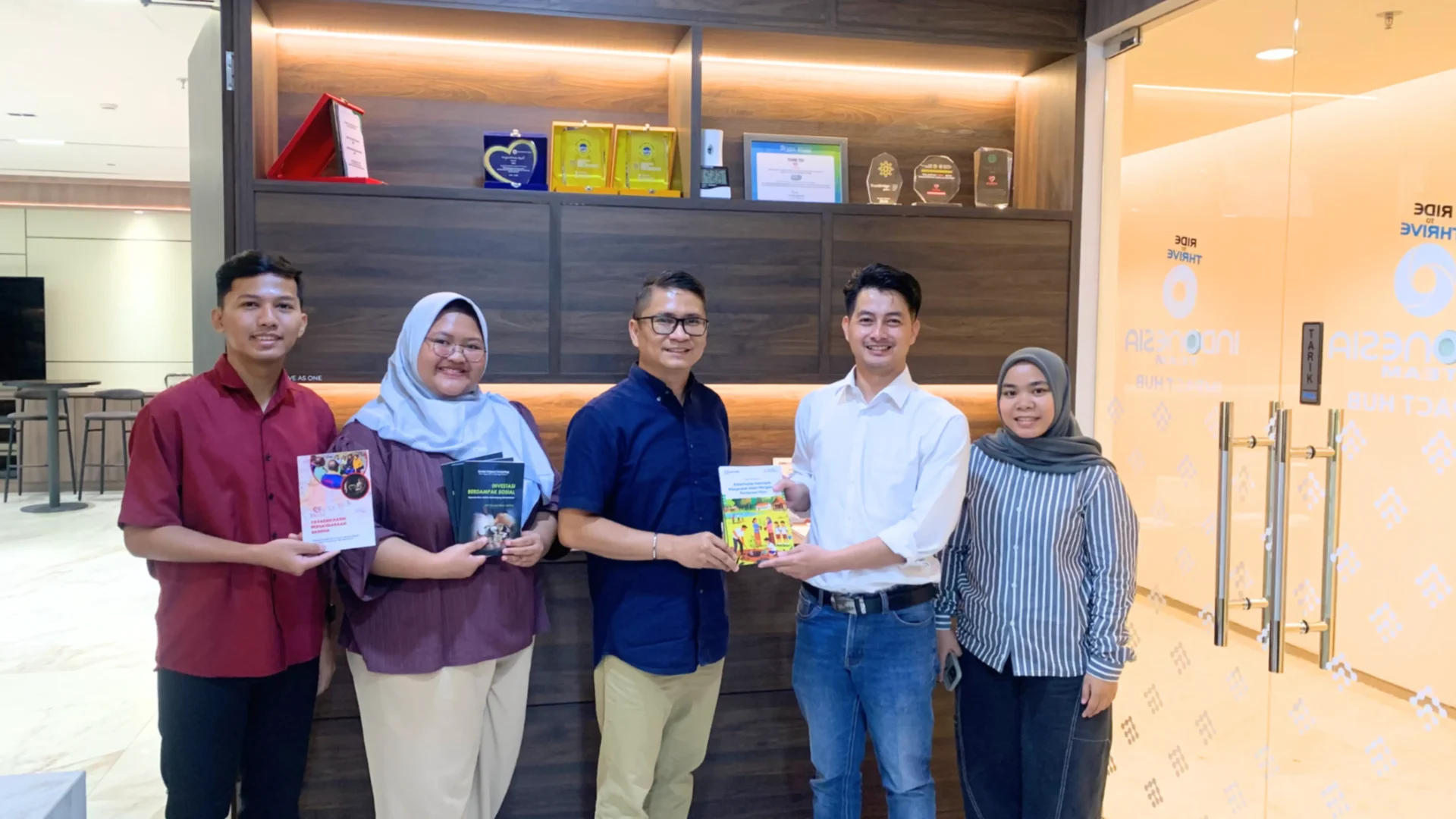
As a follow-up, PATTIRO and the KARSA Foundation plan to initiate further dialogue and discussions to identify potential programs and the communities they support that could be developed through a joint effort. The exchange of information regarding community needs, funding opportunities, and partnership networks is intended to serve as an initial step toward more concrete collaboration. Through this initiative, PATTIRO aims to ensure that access to funding reaches communities in a more inclusive manner, ultimately delivering tangible benefits for community empowerment and sustainability.