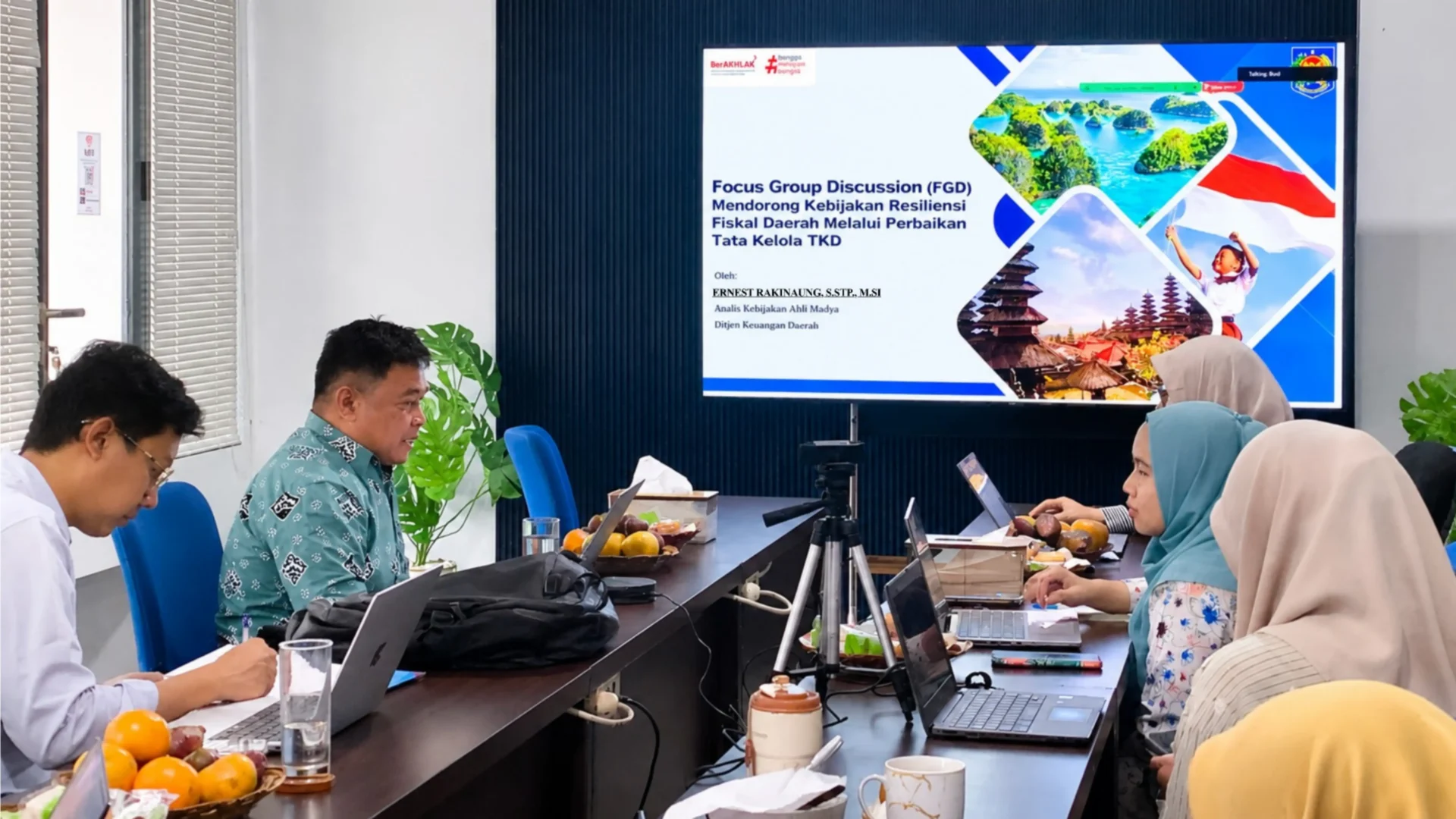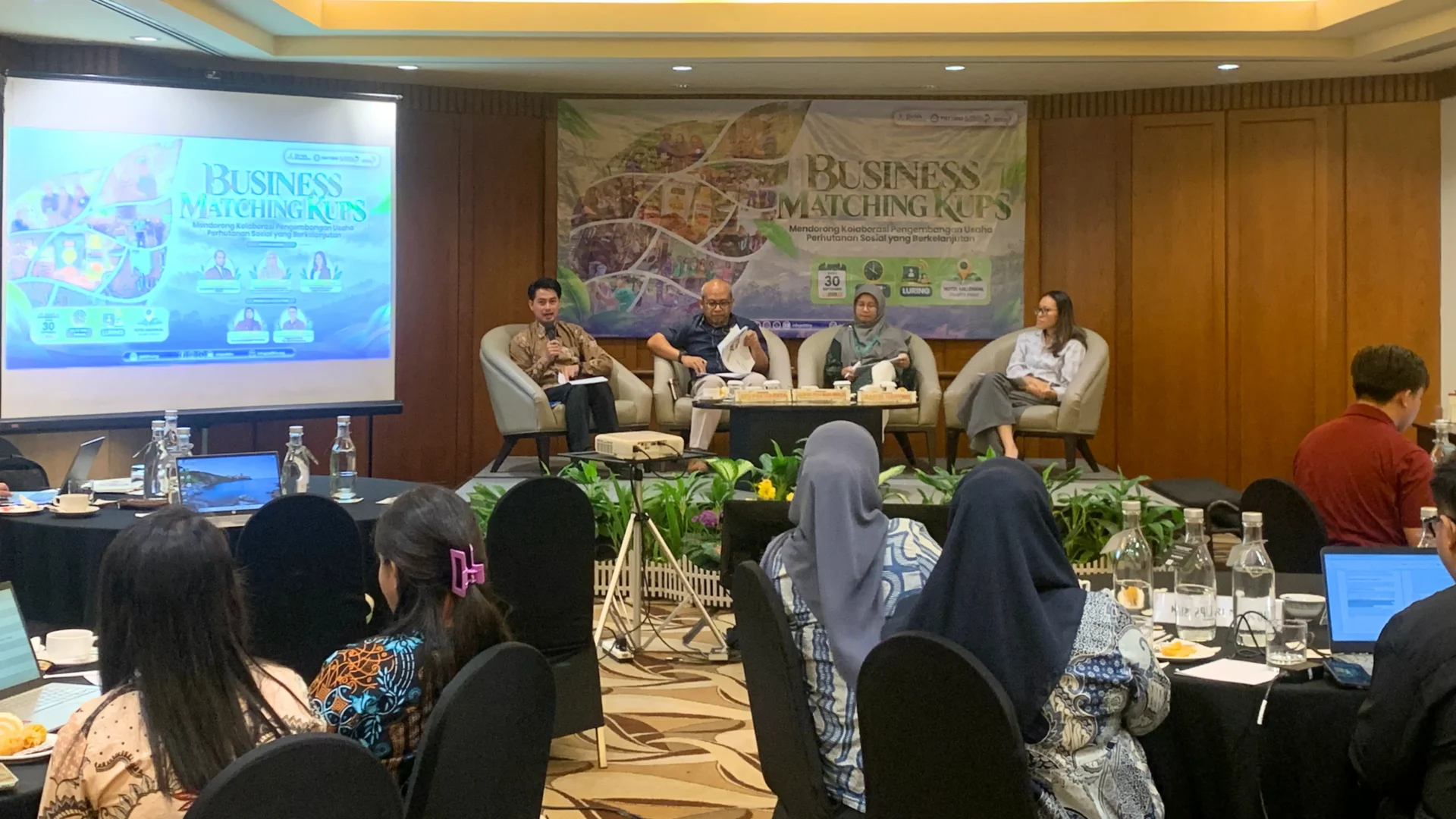

Jakarta, 21 October 2026 — In the midst of decreasing Transfers to Regions (TKD), this question is important to ensure that public service programs, environmental protection and strengthening the community’s economy continue to run. Responding to these challenges, PATTIRO together with Lingkar Temu Kabupaten Lestari (LTKL) held a Focus Group Discussion/FGD entitled “Strengthening Regional Fiscal Resilience in Sustainable Development”.
This activity involves civil society organizations and development partners to discuss the results of studies regarding the impact of reducing TKD on regional fiscal capacity, especially in the eight LTKL member districts. Apart from exploring the study findings, this discussion aims to sharpen policy recommendations and formulate joint advocacy strategies so that national fiscal policy is more responsive to regional needs and the sustainable development agenda.
Decreasing TKD and Challenges of Sustainable Development
Dependence on central government transfers and limited Original Regional Income (PAD) makes regions vulnerable to budget reductions. This condition forces local governments to prioritize spending on personnel and basic services, while environmental protection and sustainable development programs are at risk of being cut.
The impacts include limited waste management, environmental quality monitoring, disaster mitigation, and natural resource-based community economic development. This shows that fiscal limitations not only affect budget management, but also environmental sustainability and community welfare.
Encouraging Regional Fiscal Resilience
PATTIRO and LTKL emphasized the importance of building fiscal resilience, namely the regional ability to face budget pressures, adapt to change, and strengthen financial resilience in the long term.
The study identified various efforts that regional governments have made, ranging from adjusting spending to deal with short-term pressures, seeking to increase regional revenues, to accessing funding programs from the central government. However, these efforts still face challenges, especially when budget adjustments are not fully based on an analysis of the impacts and development needs of each region.
Therefore, strengthening fiscal resilience needs to be accompanied by a change in approach to budget management. It is not enough for local governments to just focus on the amount of spending that can be reduced, but also needs to consider the benefits, impact and urgency of each program. With this approach, it is hoped that budget limitations will not eliminate important programs that support environmental protection and community welfare.
Three Directions for Policy Recommendations
The discussion resulted in three main recommendations for strengthening regional fiscal policy through advocacy at the national level:
- Strengthening the governance of Transfers to Regions (TKD). The central government needs to ensure that TKD allocations are carried out transparently, taking into account regional characteristics and needs, and involving regional governments in the policy making process.
- Increasing regional fiscal resilience. Regional governments need to optimize spending reviews, improve the quality of planning, and explore the potential for local revenue (PAD) according to their respective capacities.
- Expanding access to alternative funding. Regions need to develop financing sources outside TKD, such as environmentally based funding, carbon economic value, regional bonds and green bonds to support sustainable development.
Strengthening Collaboration for National Advocacy
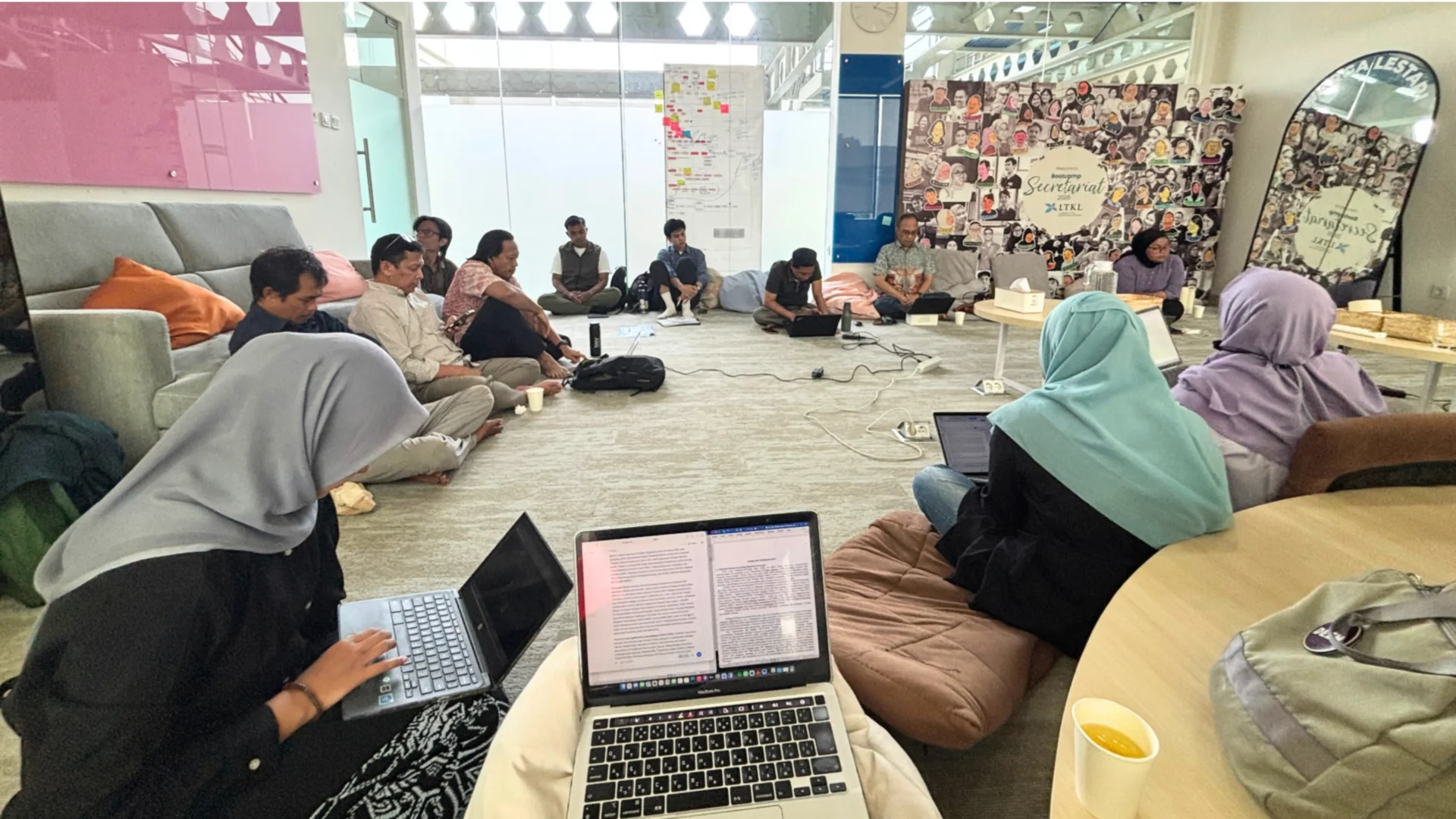
FGDs are a collaborative space for civil society organizations to unite perspectives and strengthen evidence-based advocacy regarding national fiscal policy. This discussion highlights the importance of demonstrating the impact of fiscal policy on the capacity of local governments to maintain sustainable development programs, as well as building understanding regarding the direction of joint advocacy.
A number of strategic issues are of concern, including improving the governance of Transfers to Regions (TKD), strengthening Profit Sharing Funds (DBH), transparency in financial management, and fiscal relations between the central and regional governments. It is hoped that these various issues will become an entry point for complementary advocacy to encourage policies that are fairer and in line with regional needs.
Through this collaboration, PATTIRO and LTKL encourage the study results not to stop as documents, but to become the basis for preparing recommendations and advocacy strategies at the national level. Input from civil society organizations will be used to refine the substance of the study before it is discussed with wider stakeholders. It is hoped that this effort can strengthen regional fiscal resilience while maintaining environmental sustainability and community welfare.