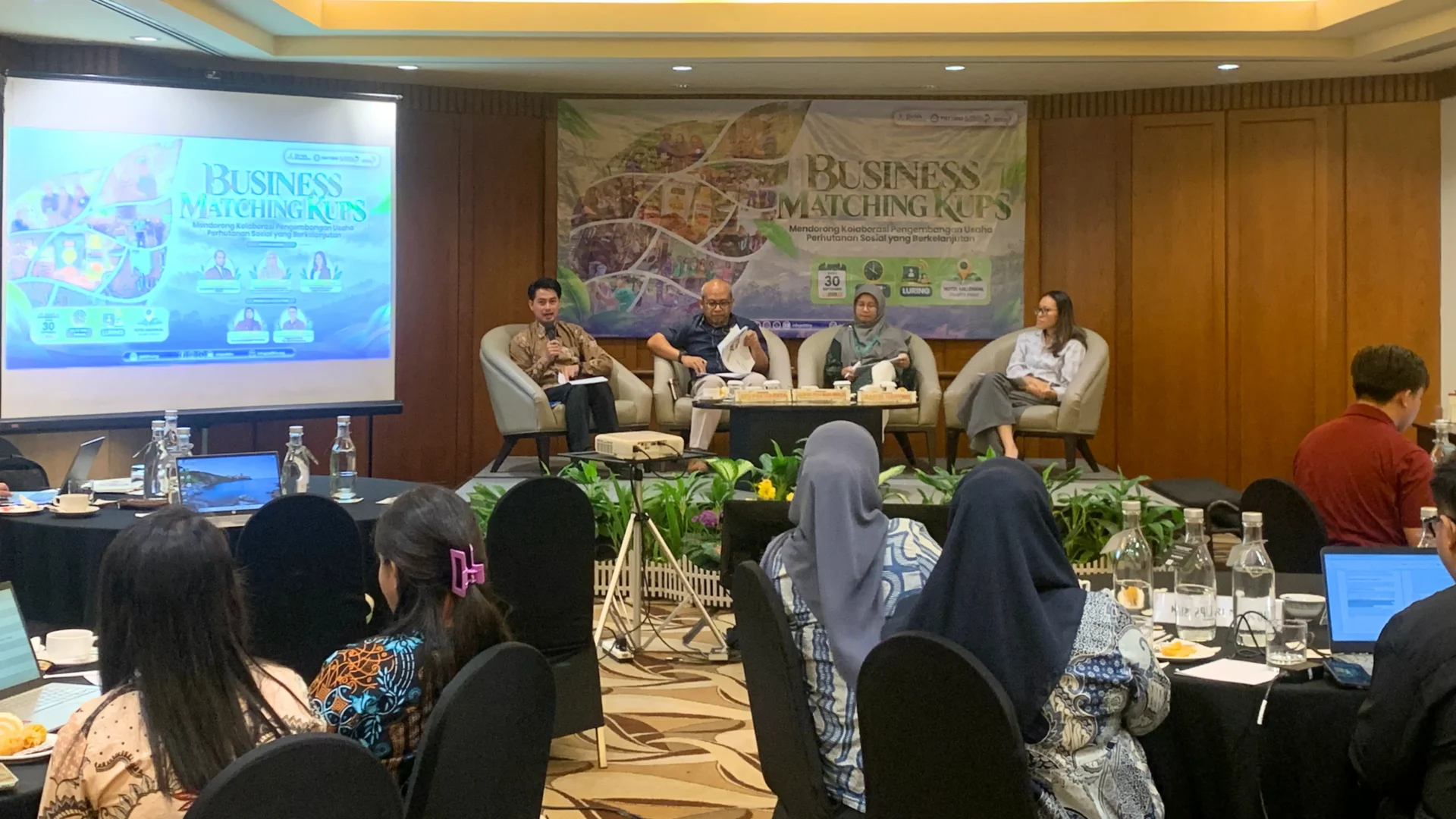
Forests not only maintain ecological balance but also serve as a source of livelihood for local communities. Through social forestry, communities gain legal access to manage forests and develop enterprises based on local potential. To address challenges related to business capacity, financing, and market access, PATTIRO organized a “Business Matching” event for Social Forestry Business Groups (KUPS) on Thursday, September 30, 2026. This event served as a collaborative space designed to strengthen community-led businesses, unlock partnership opportunities, and foster the development of independent, sustainable enterprises.
The event brought together diverse perspectives from financing institutions, business development partners, and community empowerment organizations including Eko Prasondita, Head of the Loan Disbursement Division at BPDLH; Ana Rahmawati, Director of Economic Empowerment at Dompet Dhuafa; and Irena Hijoyo, Program Manager at the ANGIN Foundation. Through these varied viewpoints, the KUPS Business Matching event highlighted that strengthening the economies of communities living near forests requires cross-sectoral collaboration, enabling KUPS to evolve into inclusive, independent, and sustainable community-based enterprises.
Strengthening Access to Financing and Business Readiness for KUPS (Social Forestry Business Groups)
Eko Prasondita, Head of the Loan Disbursement Division at BPDLH, outlined financing support opportunities for environment-based enterprises through various schemes, including grants and loans designed to foster the development of community-led businesses. This support serves as an opportunity for Social Forestry Business Groups (KUPS) to strengthen enterprises rooted in local potential in a sustainable manner. The development of social forestry businesses is not solely focused on increasing community income; it also requires maintaining a balance between economic benefits and environmental sustainability the very foundation of livelihoods thereby helping to realize a community-based green economy.
Ana Rahmawati, Director of Economic Empowerment at Dompet Dhuafa, explained that economic empowerment should adopt a broader approach through the concept of “green philanthropy.”
“Our focus for future empowerment is green philanthropy; it goes beyond just the human aspect or monetary income it also encompasses the impact on the environment,” said Ana.
According to her, the success of community-based enterprises should be measured by both their economic benefits and their contribution to environmental sustainability. Through a green economy approach, KUPS can act as drivers of the local economy while simultaneously serving as guardians of environmental sustainability.
“In my view, these individuals are environmental warriors on the front lines; it is no easy feat to live in the heart of a forest while running a business,” Ana remarked.
Women as Key Drivers of Forest-Based Economies
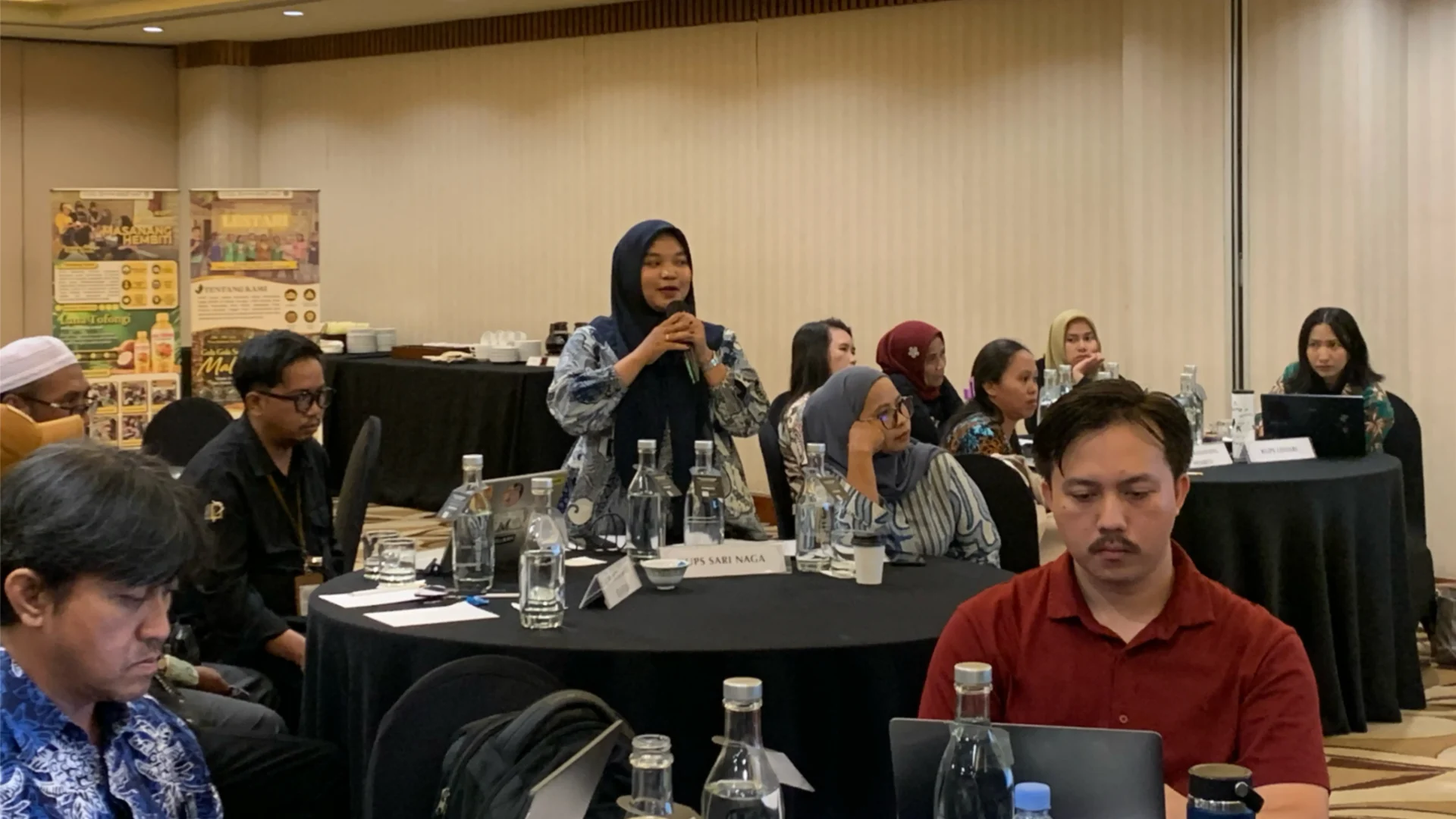
Social forestry opens up opportunities for communities to manage forest areas legally; however, this must be balanced with the strengthening of business capacity, professional guidance, market access, and financing. KUPS Sari Naga serves as an example of how women can play a role in transforming local potential into value-added products such as jams and syrups offering a solution to the challenges of marketing fresh fruit while simultaneously increasing the economic value of the harvest. Through such business development, women not only gain economic benefits but also enhance their own capabilities, independence, and self-confidence as entrepreneurs.
Irena Hijoyo, Program Manager at the ANGIN Foundation, expressed her appreciation for the involvement of women and the younger generation in the development of KUPS (Social Forestry Business Groups). She noted that, based on her experience providing support to social forestry initiatives, such business groups have historically been dominated by men.
“Typically, when I encounter social forestry initiatives, I mostly see men. I often wonder, ‘Where are the women?’ But now, I’m seeing younger people involved—it’s fantastic! Especially with the dragon fruit group, which is composed entirely of women,” said Irena.
According to Irena, the participation of women and the younger generation in KUPS demonstrates that community economic development can be more inclusive. Women are no longer just participants in the production process; they are increasingly taking on leadership roles and engaging in business decision-making. Meanwhile, the younger generation brings opportunities to strengthen innovation, digital technology, and marketing strategies, helping KUPS enterprises to grow and thrive.
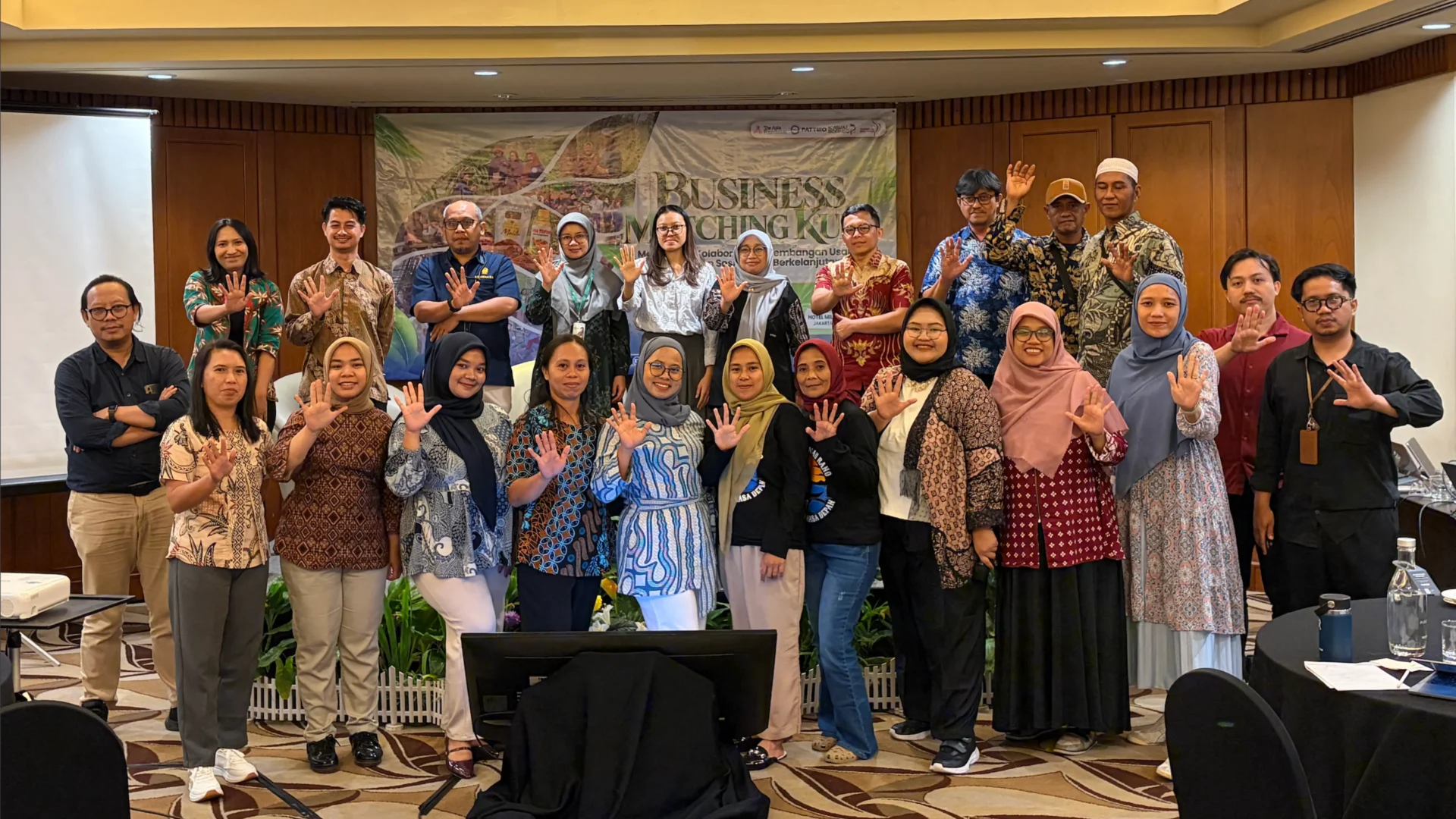
The KUPS (Community-Based Forest Business Groups) business matching initiative demonstrates that communities living around forests possess significant potential to serve as drivers of the local economy. By strengthening their business capacities, women and the younger generation are increasingly taking on larger roles in developing community-based enterprises.
Women are no longer merely participants in the production process; they are emerging as business leaders. The younger generation is not just stepping in as successors, but is also driving innovation and digital transformation. Meanwhile, community groups are evolving from simple managers of natural resources into competitive economic actors. Through collaboration involving local communities, PATTIRO (with support from The Asia Foundation), financial institutions, and business partners it is expected that these KUPS will grow into an inclusive and sustainable model for the local economy.